
What Happens During a Career Counselling Session?
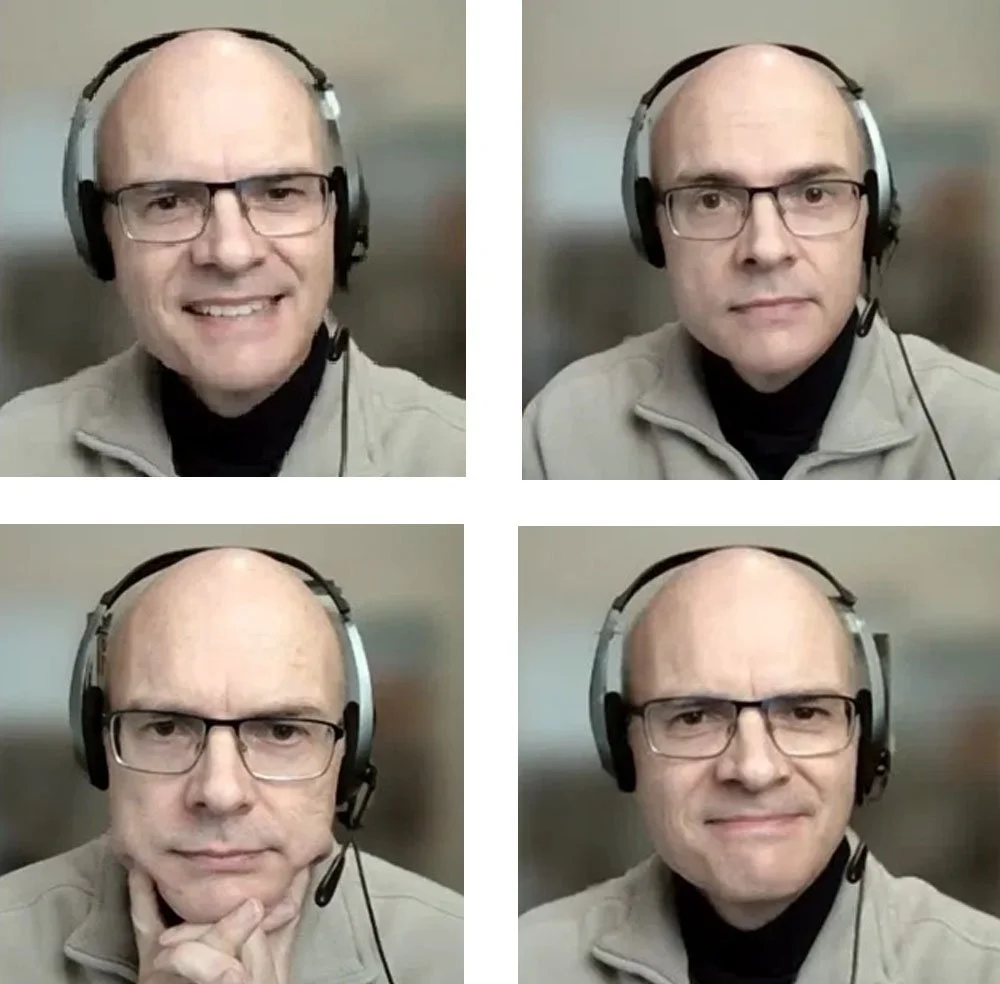
One of the questions people sometimes ask in our first conversations is - what actually happens during career counselling? And it's an understandable one. Career counselling is less familiar than many other professional services. If you've never experienced it before, it's difficult to know whether you're signing up for a series of psychological tests, a conversation about occupations, or something else entirely.
(If you're not sure how career counselling differs from career coaching, this piece is a useful starting point.)
Different practitioners work in different ways - some use psychometric assessments or personality frameworks, others work with values exercises or structured activities. What I can describe is the approach I use, which is built around conversation.
That probably sounds deceptively simple, because we have conversations every day. The difference is that these conversations are more structured than they might first appear. They aren't simply an opportunity to talk about work. They're designed to help us notice patterns that are often difficult to see while we're busy living our lives.
What first attracted me to the approach I use was its assumption that many of the clues to a satisfying working life are already present within a person's own experience. The role of the counselling isn't to invent a new identity or persuade someone towards a particular career. It's to create the conditions in which those clues can gradually become clearer.
That process usually unfolds over several conversations.
The first conversation: listening before solving
People sometimes assume we'll begin by discussing occupations.
Occasionally we do, particularly if there's an immediate issue that needs attention. More often, however, the conversation begins somewhere less expected.
We talk about people who have influenced you, experiences that have stayed with you, stories you've carried with you over many years, and interests that seem to have remained important despite the changing circumstances of your life.
At first, these topics can feel only loosely connected to career.
That's perfectly natural. If you'd asked me these questions before I'd experienced this kind of conversation myself, I would have wondered where they were leading as well.
What I've found, though, is that when those conversations are allowed to unfold without rushing towards conclusions, certain themes begin to emerge. Experiences that once seemed unrelated start sitting alongside one another in unexpected ways. Interests that appeared almost incidental begin to reveal themselves as remarkably persistent. Gradually, a picture begins to form that would have been difficult to see by looking at any one story in isolation.
My role during this stage is less about providing answers than about listening carefully enough to recognise those emerging patterns.
Stepping back to see the whole picture
Between sessions I spend time reflecting on everything we've discussed. I'm not looking for hidden meanings or trying to analyse someone's personality. Rather, I'm asking a much simpler question:
What seems to matter most in this person's story?
As I look across the conversation as a whole, I begin noticing recurring themes, values, motivations and ways of engaging with the world. These observations become the basis of what I later share back with the client.
This is usually the part of the process people remember most vividly.
Not because I'm telling them something entirely new, but because I'm bringing together experiences they've never previously had the opportunity to see side by side. It's rather like standing too close to a painting. Up close you notice individual brushstrokes. Stepping back allows the image itself to emerge.
Many people tell me that this is the first time they've felt their career story makes sense as a whole rather than as a series of disconnected events.
Turning understanding into direction
Understanding yourself is valuable, but its purpose here is practical.
Once we've developed a clearer picture of the themes running through your life, we begin exploring what those themes might mean for your future.
Sometimes that involves identifying occupations that are likely to provide a better fit. Sometimes it's less about changing careers and more about changing context - moving into a different kind of organisation or reshaping the way you're using your strengths within your current profession.
One of the things I've learned over the years is that there is rarely only one possible direction. People are often relieved to discover this.
Rather than searching for the single perfect career, they begin recognising several possibilities that all express something important about who they are. The conversation shifts from trying to predict the future to making thoughtful choices between options that each make genuine sense.
From there, practical planning becomes much easier.
What makes this different from simply reading a book about careers or completing an online assessment is that another person can sometimes see the shape of your story more clearly than you can while you're standing in the middle of it.
Career counselling is often less about discovering something entirely new, than recognising something that has been quietly present for many years.
For many people, it's less a moment of discovery than of acknowledgement - something long sensed but never quite seen suddenly becoming visible and clear. And often alongside the clarity comes something unexpected: a quiet sense of relief, and a new appreciation for experiences and qualities they had never quite known how to value in themselves.
Understanding why self-knowledge needs to come before planning is explored further in this article.
